
Danielle / YouTube screenshot
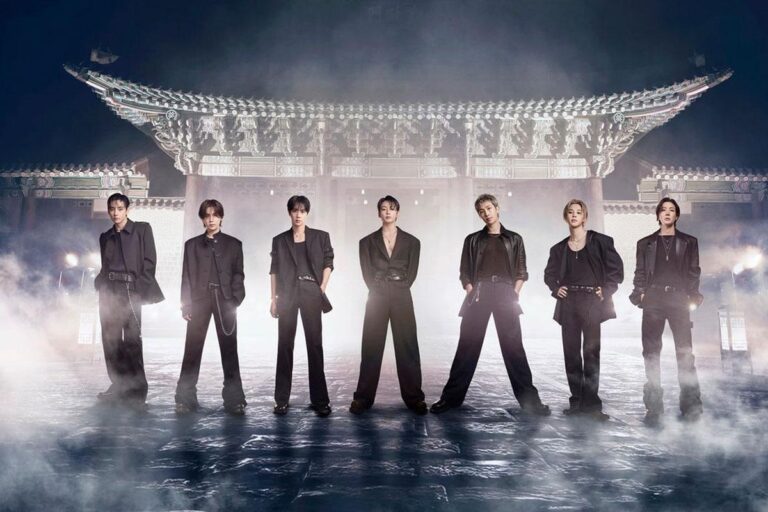
A growing wave of member departures is sending shockwaves through the K-pop industry, raising urgent questions about the sustainability of its long-standing group system. What once seemed like isolated incidents has evolved into a broader pattern, with multiple high-profile exits unfolding across top-tier acts.
For years, K-pop groups have operated under tightly controlled, agency-driven structures that emphasized team identity over individual autonomy. But as the industry globalizes and idols gain stronger personal brand power, that balance is beginning to shift.
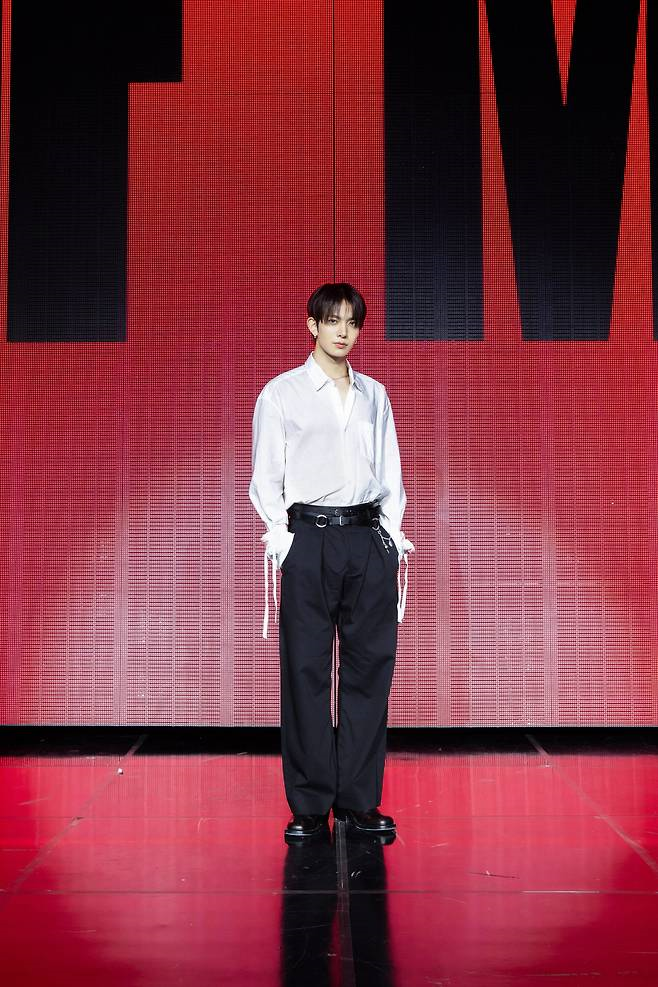
Recent developments illustrate the scale of this transformation. Danielle of NewJeans saw her contract terminated by ADOR following a legal dispute, sparking intense fan backlash. Around the same time, Heeseung of ENHYPEN reportedly departed to pursue a solo path, while Mark exited NCT after his contract with SM Entertainment ended. Shortly after, Ten also left the agency, though he continues activities under a new arrangement—hinting at more flexible, hybrid models ahead.


These cases point to deeper structural tensions. The rise of solo opportunities across music, acting, and digital platforms is encouraging idols to step beyond group boundaries. At the same time, fandom culture presents a paradox: fans often demand full-group activities while simultaneously supporting individual growth, creating friction when members choose to leave.
There are also systemic pressures at play. Long-term contracts, intense schedules, and recurring disputes between artists and agencies continue to drive dissatisfaction. As global expansion accelerates, the traditional group model—once the backbone of K-pop’s success—faces increasing strain.
The industry now stands at a crossroads. Maintaining the ideal of group unity while adapting to modern expectations of personal freedom is no longer optional—it’s essential. Without meaningful reform, the current system risks losing both talent and long-term stability.
This wave of departures is more than a trend; it is a signal. For K-pop to sustain its global influence, a new framework must emerge—one that balances collective identity with individual ambition. The next phase of the industry may well depend on how quickly and effectively that balance is achieved.

Allen Shin is an editor at Kpopbreaking.com, specializing in K-pop industry news, artist activities, and breaking developments.
📧 Contact: worldpopkorea@gmail.com

Comments