
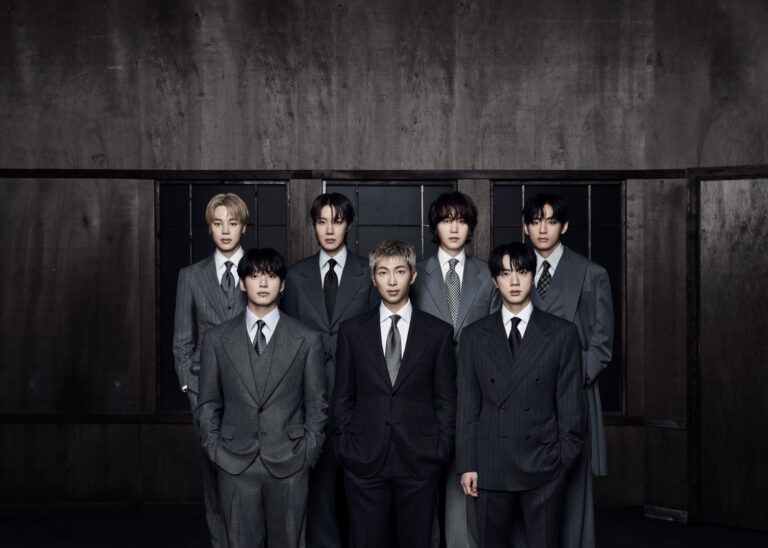
BTS members get together to take a picture. (Photo / V Instagram)
The BTS documentary The Return has ignited global discussion. Released on Netflix, it offers a candid look at BTS as they navigate creative pressure, emotional struggles, and the demands of fame while preparing their fifth studio album ARIRANG. Unlike polished promotional content, this documentary reveals vulnerability and resilience, sparking conversations across fan communities and media outlets.
BTS Documentary The Return Behind the Scenes
Directed by Bao Nguyen, the film captures BTS’s long nights in the studio, debates over artistic direction, and heartfelt conversations about relevance in a fast-changing industry. RM describes the pressure to deliver constant hits as overwhelming, while Jungkook compares the process to “factory work.” These raw admissions highlight the human cost behind the polished performances.
Fan Reactions to BTS Documentary The Return
Fans responded passionately to the BTS documentary The Return. Many praised its honesty, saying it deepened their appreciation for BTS’s artistry and collaborative process. Social media threads highlighted how the film revealed the meaning behind songs and the group’s creative dialogue.
However, reactions were mixed. Some argued that BTS faced exploitation, while others insisted the documentary showed deliberate choices and shared decision-making. Critics also noted that clips taken out of context online led to sensationalized impressions. Despite differing views, the documentary clearly resonated, fueling dialogue about mental health and artistic freedom in K-pop.

Who Is BTS?
BTS is a seven-member South Korean boy group under BigHit Music: RM, Jin, Suga, J-Hope, Jimin, V, and Jungkook. Since debuting in 2013, they have become global icons, blending powerful performances with socially conscious lyrics.
The BTS documentary The Return continues their legacy of breaking barriers. It shows BTS not only as performers but as individuals confronting creative strain, cultural responsibility, and personal growth. This authenticity reinforces their status as leaders of K-pop’s worldwide expansion.
Industry Impact of BTS Documentary The Return
The documentary reflects a broader shift in K-pop culture. Audiences now seek authentic stories beyond stage spectacle. By revealing BTS’s struggles, The Return prompts important conversations about mental health, creative freedom, and the sustainability of idol careers. Industry observers view it as a turning point in how fans engage with idols, emphasizing transparency and humanity.
Final Summary
The BTS documentary The Return is more than behind-the-scenes footage. It is a cultural document capturing BTS’s resilience, vulnerability, and reinvention during the ARIRANG era. With fans and critics debating its meaning, the film underscores the emotional cost of fame while highlighting BTS’s commitment to artistry and authenticity.
Author: David Kim Contact: worldpopkorea@gmail.com Last Updated: March 30, 2026

David Kim is a senior author at KpopBreaking, focusing on major K-pop events, industry trends, and global entertainment news. He has experience covering large-scale concerts and international promotions.

Comments