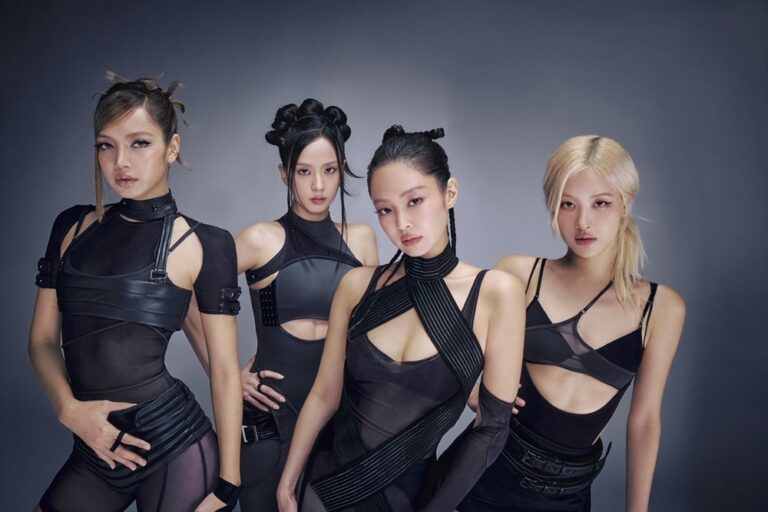
Stylish BLACKPINK group photo showcasing edgy, modern fashion (Photo Credit: / YG Entertainment)
BLACKPINK Solo Era Strengthens Group Identity
The BLACKPINK solo era sparked mixed reactions when first announced. Fans worried the group might drift apart, yet the opposite happened. By pursuing individual projects, Jisoo, Jennie, Rosé, and Lisa expanded their artistry, strengthened their identities, and ultimately returned as a more confident, globally influential unit. Their journey shows how solo success can redefine and reinforce group synergy in modern K-pop, setting a precedent for how groups can thrive both individually and collectively.
A Strategic Pause, Not a Break
BLACKPINK’s solo era was carefully paced. Each member explored distinct styles:
- Rosé leaned into emotional pop-rock.
- Lisa emphasized performance-driven hip-hop.
- Jennie delivered minimalist, trend-setting sounds.
- Jisoo brought a softer, melodic approach.
These differences didn’t dilute BLACKPINK—they expanded it, adding layers to the group’s collective sound and image.
Individual Identity, Stronger Team Dynamic
Fans now see BLACKPINK not just as a brand but as four fully realized artists. This clarity enhances group performances, where contrasts in vocals, charisma, and style complement each other. Instead of competing, the members amplify one another, creating richer dynamics on stage.
Expanded Global Reach
Solo activities widened BLACKPINK’s global footprint:
- Lisa strengthened her presence in Southeast Asia.
- Jennie became a fashion icon in Western media.
- Rosé built strong English-speaking fanbases.
- Jisoo expanded into acting and entertainment.
Together, these efforts created a decentralized popularity model, making BLACKPINK more resilient and globally embedded.
Creative Freedom and Artistic Growth
Solo projects gave members more creative control in songwriting, production, and concept development. This experience feeds back into group work, resulting in music and visuals that feel intentional and mature. Fans notice the evolution—BLACKPINK is shaping their art, not just performing it.
Renewed Group Chemistry
Time apart strengthened BLACKPINK’s bond. Public appearances and behind-the-scenes content show renewed energy when they reunite. Their appreciation for one another resonates with fans, who interpret it as authenticity rather than obligation. In an industry where cohesion is rare, this authenticity is a powerful asset.
A Model for Modern K-pop

The BLACKPINK solo era reflects a broader K-pop shift: groups can thrive as both units and individual brands. By balancing these modes, BLACKPINK set a precedent. Their success proves solo careers don’t weaken group identity—they can redefine and strengthen it.
Final Summary
BLACKPINK’s return is not just a continuation—it’s a reinvention. Four distinct artists now stand united by shared history and purpose. The BLACKPINK solo era shows that individual growth can fuel collective strength, making the group stronger than ever.
Author: David Kim Contact: worldpopkorea@gmail.com Last Updated: March 28, 2026

David Kim is a senior author at KpopBreaking, focusing on major K-pop events, industry trends, and global entertainment news. He has experience covering large-scale concerts and international promotions.

Comments